
Contents
- 🎬 Introduction to Entertainment
- 📺 The Rise of Electronic Media
- 🎵 Music and Its Impact on Entertainment
- 📚 Literature and Storytelling
- 🎭 Theater and Performance Arts
- 👀 The Emergence of Visual Arts
- 📻 Radio and the Golden Age of Broadcasting
- 📺 Television and the Small Screen
- 🎮 The World of Video Games
- 📱 The Digital Revolution in Entertainment
- 🤝 The Future of Entertainment
- Frequently Asked Questions
- Related Topics
Overview
The entertainment industry, with a projected global value of over $2.6 trillion by 2025, encompasses a broad range of sectors including film, television, music, and video games. Historically, the industry has been shaped by technological advancements, from the advent of sound in cinema to the current era of streaming services like Netflix, which boasts over 220 million subscribers worldwide. However, this growth also raises questions about the future of traditional entertainment formats and the impact of piracy, which is estimated to cost the industry billions of dollars annually. The rise of independent creators and platforms like YouTube and TikTok has democratized content creation, but also introduces new challenges in terms of content regulation and artist compensation. As the industry continues to evolve, it must navigate these complexities while adapting to changing consumer behaviors and technological innovations. With a vibe score of 82, reflecting its significant cultural energy, the entertainment industry remains a pivotal part of modern society, influencing not just leisure activities but also societal trends and political discourse.
🎬 Introduction to Entertainment
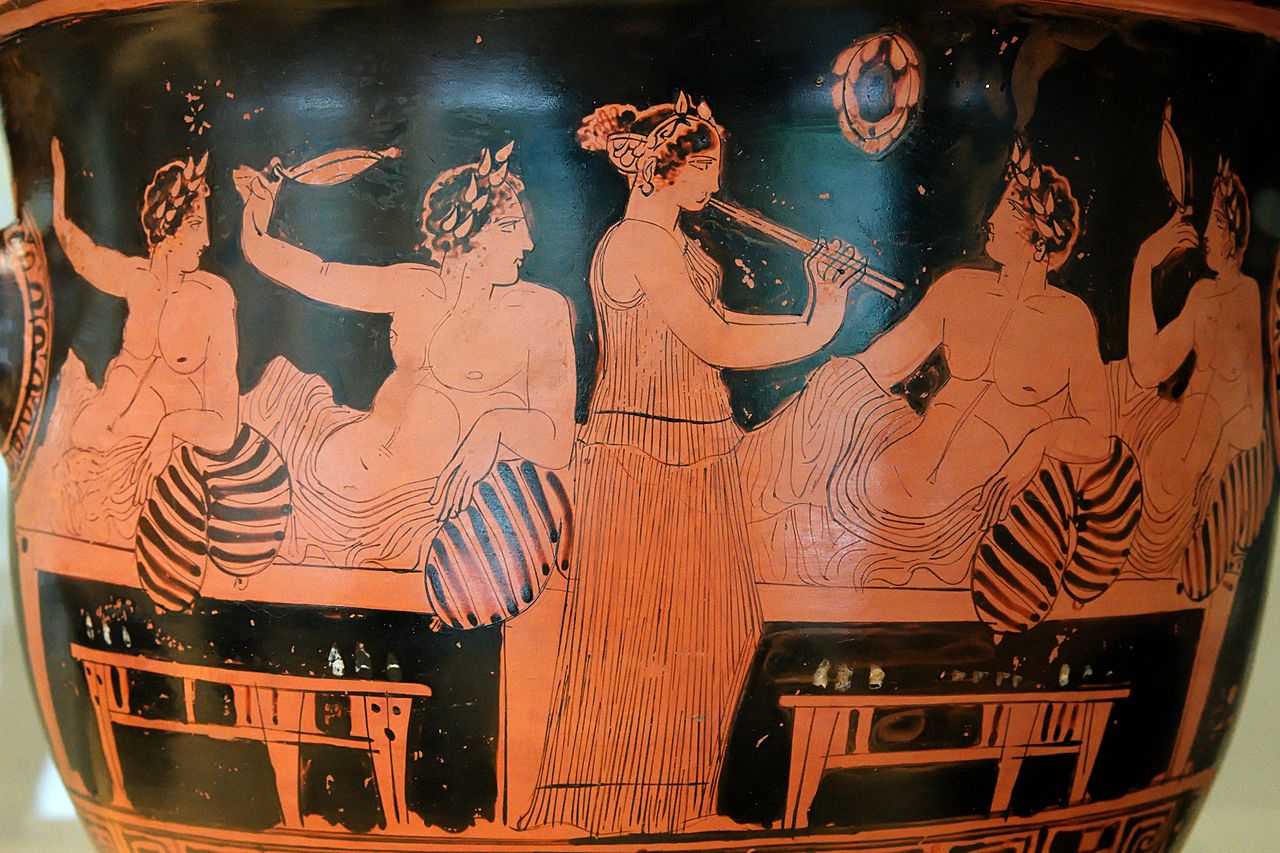
The concept of entertainment has been around for thousands of years, with evidence of ancient civilizations engaging in various forms of performance and storytelling. From the ancient Greek theater to the Roman coliseums, entertainment has played a significant role in shaping culture and society. The evolution of entertainment has been shaped by technological advancements, social changes, and economic factors. As we explore the history of entertainment, we can see how different forms of media have emerged and influenced one another, such as the impact of movies on the entertainment industry.
📺 The Rise of Electronic Media
The rise of electronic media in the 20th century revolutionized the entertainment industry. With the invention of the radio, people could access a wide range of entertainment options from the comfort of their own homes. The television further expanded the reach of entertainment, bringing visual content into living rooms around the world. The development of cable television and satellite television increased the number of channels and programming options available to audiences. This led to the creation of new genres and formats, such as reality TV and music videos.
🎵 Music and Its Impact on Entertainment
Music has been an integral part of entertainment throughout history, with different genres and styles emerging over time. From the classical music of the 18th century to the rock music of the 20th century, music has played a significant role in shaping culture and society. The music industry has undergone significant changes in recent years, with the rise of streaming services and social media platforms. Artists such as The Beatles and Michael Jackson have had a profound impact on the music industry, and their influence can still be seen today.
📚 Literature and Storytelling
Literature and storytelling have been essential components of entertainment for centuries. From the novels of the 19th century to the graphic novels of today, literature has provided a platform for authors to express themselves and engage with audiences. The publishing industry has undergone significant changes in recent years, with the rise of ebooks and self-publishing. Authors such as J.K. Rowling and Stephen King have become household names, and their works have been adapted into movies and TV shows.
🎭 Theater and Performance Arts
Theater and performance arts have been a cornerstone of entertainment for thousands of years. From the ancient Greek theater to the Broadway shows of today, theater has provided a platform for actors, dancers, and musicians to showcase their talents. The theater industry has undergone significant changes in recent years, with the rise of experimental theater and immersive theater. Plays such as Hamlet and Romeo and Juliet have become classics, and their influence can still be seen in modern movies and TV shows.
👀 The Emergence of Visual Arts
The emergence of visual arts has had a profound impact on the entertainment industry. From the paintings of the Renaissance to the photography of today, visual arts have provided a platform for artists to express themselves and engage with audiences. The art market has undergone significant changes in recent years, with the rise of digital art and street art. Artists such as Leonardo da Vinci and Pablo Picasso have become household names, and their works have been exhibited in museums and galleries around the world.
📻 Radio and the Golden Age of Broadcasting
The invention of the radio in the early 20th century revolutionized the entertainment industry. With the rise of radio broadcasting, people could access a wide range of entertainment options from the comfort of their own homes. The Golden Age of Radio saw the emergence of popular shows such as The Jack Benny Program and The Shadow. The development of television further expanded the reach of entertainment, bringing visual content into living rooms around the world.
📺 Television and the Small Screen
The rise of television in the mid-20th century had a profound impact on the entertainment industry. With the emergence of popular shows such as I Love Lucy and The Honeymooners, television became a staple of modern entertainment. The development of cable television and satellite television increased the number of channels and programming options available to audiences. This led to the creation of new genres and formats, such as reality TV and music videos.
🎮 The World of Video Games
The world of video games has become a significant component of the entertainment industry. From the arcade games of the 1970s to the console games of today, video games have provided a platform for gamers to engage with interactive content. The gaming industry has undergone significant changes in recent years, with the rise of mobile gaming and virtual reality. Games such as Minecraft and Fortnite have become cultural phenomena, and their influence can still be seen in modern movies and TV shows.
📱 The Digital Revolution in Entertainment
The digital revolution in entertainment has had a profound impact on the industry. With the rise of streaming services such as Netflix and Hulu, audiences can access a wide range of content from the comfort of their own homes. The development of social media platforms has also changed the way people engage with entertainment, with the emergence of influencer marketing and user-generated content. The digital entertainment industry is expected to continue growing in the coming years, with new technologies such as artificial intelligence and blockchain emerging.
🤝 The Future of Entertainment
As we look to the future of entertainment, it is clear that the industry will continue to evolve and change. With the rise of new technologies such as virtual reality and augmented reality, audiences will have access to new and innovative forms of entertainment. The entertainment industry will also continue to be shaped by social and economic factors, such as the rise of diversity and inclusion and the impact of climate change. As we move forward, it will be exciting to see how the entertainment industry adapts and evolves to meet the changing needs and preferences of audiences around the world.
Key Facts
- Year
- 2023
- Origin
- Late 19th Century, with the advent of cinema
- Category
- Media and Entertainment
- Type
- Industry
Frequently Asked Questions
What is the history of entertainment?
The history of entertainment dates back thousands of years, with evidence of ancient civilizations engaging in various forms of performance and storytelling. From the ancient Greek theater to the Roman coliseums, entertainment has played a significant role in shaping culture and society. The evolution of entertainment has been shaped by technological advancements, social changes, and economic factors.
How has technology impacted the entertainment industry?
Technology has had a profound impact on the entertainment industry, with the rise of electronic media, digital streaming, and social media platforms. These advancements have changed the way people access and engage with entertainment, and have created new opportunities for artists and creators to showcase their work.
What are some of the most popular forms of entertainment today?
Some of the most popular forms of entertainment today include film, television, music, theater, and video games. These forms of entertainment have been shaped by technological advancements and social changes, and continue to evolve and adapt to meet the changing needs and preferences of audiences around the world.
How has the entertainment industry been impacted by social and economic factors?
The entertainment industry has been impacted by a range of social and economic factors, including the rise of diversity and inclusion, the impact of climate change, and the changing needs and preferences of audiences around the world. These factors have shaped the types of content that are created and consumed, and have influenced the way that the industry operates and adapts to change.
What does the future of entertainment hold?
The future of entertainment is likely to be shaped by technological advancements, social changes, and economic factors. With the rise of new technologies such as virtual reality and augmented reality, audiences will have access to new and innovative forms of entertainment. The entertainment industry will also continue to be shaped by social and economic factors, such as the rise of diversity and inclusion and the impact of climate change.