
Contents
- 🎬 Introduction to Oliver Stone
- 📽️ Early Life and Career
- 🎥 Breakthrough Films
- 🌟 Critical Acclaim and Controversy
- 📊 Box Office Performance
- 👥 Collaborations and Influences
- 🏆 Awards and Nominations
- 🌐 Legacy and Impact
- 📺 Television and Documentary Work
- 📰 Interviews and Public Persona
- 📚 Literary Works and Activism
- Frequently Asked Questions
- Related Topics
Overview
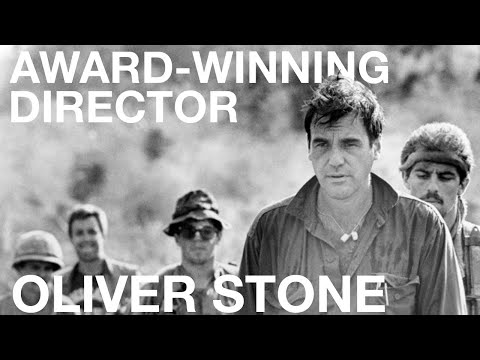
Oliver Stone is a renowned American film director, producer, and screenwriter known for his provocative and often controversial films that challenge the status quo. With a career spanning over four decades, Stone has directed iconic films such as 'Platoon' (1986), 'Wall Street' (1987), and 'JFK' (1991), which have sparked intense debates and discussions. His films often explore themes of politics, power, and social justice, and have been praised for their unflinching portrayal of complex issues. Stone's influence on contemporary cinema is undeniable, with many filmmakers citing him as a source of inspiration. However, his work has also been criticized for its perceived bias and sensationalism, highlighting the tension between artistic expression and journalistic integrity. As a filmmaker, Stone continues to push boundaries and challenge audiences, leaving a lasting impact on the film industry and beyond.
🎬 Introduction to Oliver Stone
Oliver Stone is a renowned American filmmaker known for his provocative and often controversial films. Born on September 15, 1946, in New York City, Stone developed an interest in filmmaking at a young age. He attended New York University and later served in the United States Army during the Vietnam War. This experience would later influence his filmmaking style and themes, as seen in films like Platoon and Born on the Fourth of July. Stone's early life and career were marked by a strong interest in storytelling and a desire to challenge societal norms, which is evident in his work on Natural Born Killers and JFK.
📽️ Early Life and Career
Stone's early career in film began with the production of Seizure (1974), a horror film that gained him recognition in the industry. He then went on to work on The Hand (1981), a psychological thriller that showcased his ability to craft complex characters and storylines. Stone's breakthrough film, Platoon (1986), earned him critical acclaim and commercial success, solidifying his position as a prominent filmmaker. This film, along with Wall Street (1987) and Talk Radio (1988), demonstrated Stone's ability to tackle a wide range of genres and themes, from drama to comedy, and explore the human condition in films like The Doors and Heaven & Earth.
🎥 Breakthrough Films
The 1990s saw Stone release some of his most iconic films, including JFK (1991), Natural Born Killers (1994), and Nixon (1995). These films showcased Stone's unique style and ability to spark controversy and debate. JFK, in particular, was a critical and commercial success, earning eight Academy Award nominations and winning two. Stone's films often explore the intersection of politics and society, as seen in W. and South of the Border. His ability to craft compelling narratives and challenge societal norms has made him a respected and influential filmmaker, with a career spanning over four decades and collaborations with notable actors like Tom Cruise and Charlie Sheen.
🌟 Critical Acclaim and Controversy
Stone's films have consistently garnered critical acclaim and controversy, with many of his works being nominated for and winning numerous awards. Platoon won four Academy Awards, including Best Picture and Best Director, while JFK won two. Stone has also been recognized for his work on Born on the Fourth of July, which earned him a Golden Globe nomination for Best Director. His films often explore the human condition, as seen in Savages and Snowden, and challenge societal norms, making him a respected and influential filmmaker. Stone's ability to spark controversy and debate has made him a prominent figure in the film industry, with a career marked by collaborations with notable actors and filmmakers, including Martin Scorsese and Quentin Tarantino.
📊 Box Office Performance
At the box office, Stone's films have performed well, with many of his works grossing over $100 million worldwide. JFK grossed over $205 million, while Natural Born Killers grossed over $150 million. Stone's films often explore the intersection of politics and society, as seen in W. and South of the Border, and have been recognized for their cultural significance, with films like Platoon and Born on the Fourth of July being selected for preservation in the National Film Registry. Stone's ability to craft compelling narratives and challenge societal norms has made him a respected and influential filmmaker, with a career spanning over four decades and collaborations with notable actors like Tom Cruise and Charlie Sheen.
👥 Collaborations and Influences
Throughout his career, Stone has collaborated with a wide range of actors and filmmakers, including Tom Cruise, Charlie Sheen, and Martin Scorsese. Stone's films often explore the human condition, as seen in Savages and Snowden, and challenge societal norms, making him a respected and influential filmmaker. His ability to spark controversy and debate has made him a prominent figure in the film industry, with a career marked by collaborations with notable actors and filmmakers. Stone's influences include Francis Ford Coppola and Stanley Kubrick, and his films often pay homage to these influences, as seen in Nixon and Alexander.
🏆 Awards and Nominations
Stone has been recognized with numerous awards and nominations throughout his career, including three Academy Awards for Best Director. He has also been nominated for several Golden Globe awards, including Best Director for Born on the Fourth of July. Stone's films often explore the intersection of politics and society, as seen in W. and South of the Border, and have been recognized for their cultural significance, with films like Platoon and Born on the Fourth of July being selected for preservation in the National Film Registry. Stone's ability to craft compelling narratives and challenge societal norms has made him a respected and influential filmmaker, with a career spanning over four decades and collaborations with notable actors like Tom Cruise and Charlie Sheen.
🌐 Legacy and Impact
Stone's legacy as a filmmaker is undeniable, with his films continuing to influence and inspire new generations of filmmakers. His ability to spark controversy and debate has made him a prominent figure in the film industry, with a career marked by collaborations with notable actors and filmmakers. Stone's films often explore the human condition, as seen in Savages and Snowden, and challenge societal norms, making him a respected and influential filmmaker. His influences include Francis Ford Coppola and Stanley Kubrick, and his films often pay homage to these influences, as seen in Nixon and Alexander. Stone's impact on the film industry can be seen in the work of filmmakers like Quentin Tarantino and Martin Scorsese, who have cited Stone as an influence.
📺 Television and Documentary Work
In addition to his work in film, Stone has also produced and directed several television documentaries, including South of the Border (2009) and Oliver Stone's Untold History of the United States (2012). These documentaries showcase Stone's ability to craft compelling narratives and challenge societal norms, making him a respected and influential filmmaker. Stone's ability to spark controversy and debate has made him a prominent figure in the film industry, with a career marked by collaborations with notable actors and filmmakers. His films often explore the intersection of politics and society, as seen in W. and South of the Border, and have been recognized for their cultural significance, with films like Platoon and Born on the Fourth of July being selected for preservation in the National Film Registry.
📰 Interviews and Public Persona
Stone has been the subject of numerous interviews and profiles, showcasing his unique perspective and insights on filmmaking and society. His public persona is that of a provocative and outspoken individual, unafraid to challenge societal norms and spark controversy. Stone's ability to craft compelling narratives and challenge societal norms has made him a respected and influential filmmaker, with a career spanning over four decades and collaborations with notable actors like Tom Cruise and Charlie Sheen. His films often explore the human condition, as seen in Savages and Snowden, and challenge societal norms, making him a respected and influential filmmaker. Stone's influences include Francis Ford Coppola and Stanley Kubrick, and his films often pay homage to these influences, as seen in Nixon and Alexander.
📚 Literary Works and Activism
Stone has also written several books on filmmaking and politics, including The Warrior's Gift (1997) and JFK: The Book of the Film (1992). These works showcase Stone's unique perspective and insights on filmmaking and society, and demonstrate his ability to craft compelling narratives and challenge societal norms. Stone's ability to spark controversy and debate has made him a prominent figure in the film industry, with a career marked by collaborations with notable actors and filmmakers. His films often explore the intersection of politics and society, as seen in W. and South of the Border, and have been recognized for their cultural significance, with films like Platoon and Born on the Fourth of July being selected for preservation in the National Film Registry.
Key Facts
- Year
- 1946
- Origin
- New York City, USA
- Category
- Film and Cinema
- Type
- Person
Frequently Asked Questions
What is Oliver Stone's most famous film?
Oliver Stone's most famous film is likely Platoon (1986), which won four Academy Awards and is widely considered a classic of American cinema. However, other films like JFK (1991) and Natural Born Killers (1994) are also highly regarded and widely known. Stone's films often explore the human condition, as seen in Savages and Snowden, and challenge societal norms, making him a respected and influential filmmaker.
What is Oliver Stone's filmmaking style?
Oliver Stone's filmmaking style is known for being provocative and often controversial. He frequently explores themes of politics, society, and the human condition, and is not afraid to challenge societal norms and spark debate. Stone's films often feature complex characters and storylines, and he is known for his use of non-linear narrative structures and experimental cinematography. His influences include Francis Ford Coppola and Stanley Kubrick, and his films often pay homage to these influences, as seen in Nixon and Alexander.
What are some of Oliver Stone's notable collaborations?
Oliver Stone has collaborated with a wide range of actors and filmmakers throughout his career, including Tom Cruise, Charlie Sheen, and Martin Scorsese. Some of his most notable collaborations include Platoon (1986), Wall Street (1987), and JFK (1991). Stone's ability to craft compelling narratives and challenge societal norms has made him a respected and influential filmmaker, with a career spanning over four decades and collaborations with notable actors like Tom Cruise and Charlie Sheen.
What is Oliver Stone's legacy as a filmmaker?
Oliver Stone's legacy as a filmmaker is undeniable, with his films continuing to influence and inspire new generations of filmmakers. His ability to spark controversy and debate has made him a prominent figure in the film industry, and his films have been recognized for their cultural significance, with films like Platoon and Born on the Fourth of July being selected for preservation in the National Film Registry. Stone's films often explore the human condition, as seen in Savages and Snowden, and challenge societal norms, making him a respected and influential filmmaker.
What are some of Oliver Stone's notable awards and nominations?
Oliver Stone has been recognized with numerous awards and nominations throughout his career, including three Academy Awards for Best Director. He has also been nominated for several Golden Globe awards, including Best Director for Born on the Fourth of July. Stone's films often explore the intersection of politics and society, as seen in W. and South of the Border, and have been recognized for their cultural significance, with films like Platoon and Born on the Fourth of July being selected for preservation in the National Film Registry.
What is Oliver Stone's impact on the film industry?
Oliver Stone's impact on the film industry is significant, with his films continuing to influence and inspire new generations of filmmakers. His ability to spark controversy and debate has made him a prominent figure in the film industry, and his films have been recognized for their cultural significance, with films like Platoon and Born on the Fourth of July being selected for preservation in the National Film Registry. Stone's films often explore the human condition, as seen in Savages and Snowden, and challenge societal norms, making him a respected and influential filmmaker.
What are some of Oliver Stone's notable documentaries?
Oliver Stone has produced and directed several documentaries, including South of the Border (2009) and Oliver Stone's Untold History of the United States (2012). These documentaries showcase Stone's ability to craft compelling narratives and challenge societal norms, making him a respected and influential filmmaker. Stone's ability to spark controversy and debate has made him a prominent figure in the film industry, with a career marked by collaborations with notable actors and filmmakers.