
Contents
- 🏯 Introduction to Ancient Greek Culture
- 📚 The Origins of Ancient Greek Civilization
- 🏆 The Golden Age of Athens
- 👑 The Rise of Alexander the Great
- 🏛️ Ancient Greek Architecture and Engineering
- 🎨 The Art and Sculpture of Ancient Greece
- 📜 The Philosophy of Ancient Greece
- 👫 The Social Structure of Ancient Greece
- 🏋️♀️ Ancient Greek Sports and the Olympic Games
- 📝 The Legacy of Ancient Greek Culture
- 🤔 Debating the Impact of Ancient Greek Culture
- Frequently Asked Questions
- Related Topics
Overview
Ancient Greek culture, spanning from 800 BCE to 146 CE, was a transformative period that laid the foundations of Western civilization. With a vibe score of 8, this era saw the emergence of iconic figures like Socrates, Plato, and Aristotle, who revolutionized philosophy. The Greeks made significant contributions to theater, with playwrights like Sophocles and Euripides, and to the arts, with renowned sculptors like Phidias. The city-state of Athens, with its influential democracy, was a hub of cultural and intellectual innovation, while the Olympic Games, first recorded in 776 BCE, showcased Greek athleticism. However, this period was also marked by controversy, including the Peloponnesian War and the enslavement of non-Greeks. As we look to the future, we must consider how Ancient Greek culture's legacy continues to influence modern society, from politics to art, and what we can learn from both its achievements and its flaws.
🏯 Introduction to Ancient Greek Culture
Ancient Greek culture is one of the most influential and fascinating civilizations in human history. The Ancient Greek civilization flourished from around 800 BCE to 146 CE, and its impact can still be seen today in Western Civilization. From the Parthenon to the Theater of Dionysus, Ancient Greek culture has left an indelible mark on modern society. The Greek Alphabet is still used today, and the Olympic Games were born in Ancient Greece. As we delve into the world of Ancient Greek culture, we will explore its origins, its most notable achievements, and its lasting legacy.
📚 The Origins of Ancient Greek Civilization
The origins of Ancient Greek civilization are shrouded in mystery, but it is believed that the Minoan Civilization and the Mycenaean Civilization played a significant role in shaping the culture. The Greek Dark Ages marked a period of transition, after which the Archaic Period saw the rise of city-states such as Athens and Sparta. The Homeric Epics, including the Iliad and the Odyssey, provide valuable insights into the culture and values of Ancient Greece. As we explore the history of Ancient Greece, we will examine the Persian Wars and their impact on the development of the city-states.
🏆 The Golden Age of Athens
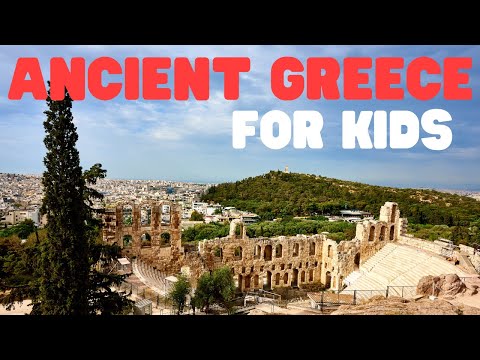
The Golden Age of Athens, which occurred from around 479 BCE to 431 BCE, is often regarded as the pinnacle of Ancient Greek culture. During this period, Pericles led the city-state of Athens, and it was marked by significant cultural, philosophical, and artistic achievements. The Acropolis of Athens was built during this time, and it features some of the most iconic buildings in Ancient Greek architecture, including the Parthenon. The Theater of Dionysus was also built during this period, and it hosted some of the most famous plays in Ancient Greek literature, including those by Aristophanes and Euripides. As we explore the Golden Age of Athens, we will examine the contributions of Socrates, Plato, and Aristotle to the development of Western Philosophy.
👑 The Rise of Alexander the Great
The rise of Alexander the Great marked a significant turning point in Ancient Greek history. Alexander's conquests spread Greek culture throughout the known world, and his legacy can still be seen today. The Hellenistic Period saw the rise of city-states such as Alexandria, which became a center of learning and culture. The Library of Alexandria was one of the most significant cultural institutions of the Ancient World, and it housed a vast collection of manuscripts and scrolls. As we explore the Hellenistic Period, we will examine the contributions of Euclid and Archimedes to the development of Mathematics and Engineering.
🏛️ Ancient Greek Architecture and Engineering
Ancient Greek architecture and engineering were renowned for their innovation and beauty. The Parthenon is one of the most iconic buildings in Ancient Greek architecture, and it features a unique blend of Doric Order and Ionic Order styles. The Theater of Dionysus is another notable example of Ancient Greek architecture, and it features a unique design that allowed for maximum visibility and acoustics. The Aqueduct of Seville is an example of Ancient Greek engineering, and it demonstrates the advanced knowledge of Hydraulics and Materials Science that the Ancient Greeks possessed. As we explore Ancient Greek architecture and engineering, we will examine the contributions of Imhotep and Vitruvius to the development of Architecture and Engineering.
🎨 The Art and Sculpture of Ancient Greece
The art and sculpture of Ancient Greece are renowned for their beauty and elegance. The Venus de Milo is one of the most famous statues in Ancient Greek art, and it features a unique blend of Realism and Idealism. The Discobolus of Myron is another notable example of Ancient Greek sculpture, and it demonstrates the advanced knowledge of Anatomy and Physics that the Ancient Greeks possessed. The Frieze of the Parthenon is an example of Ancient Greek art, and it features a unique blend of Relief Sculpture and Painting. As we explore the art and sculpture of Ancient Greece, we will examine the contributions of Phidias and Praxiteles to the development of Art and Aesthetics.
📜 The Philosophy of Ancient Greece
The philosophy of Ancient Greece is renowned for its depth and complexity. The Socratic Method is a unique approach to philosophy that emphasizes questioning and dialogue. The Platonic Realism is a philosophical theory that posits the existence of a higher realm of abstract Forms or Ideas. The Aristotelian Logic is a philosophical theory that emphasizes the use of reason and observation to understand the world. As we explore the philosophy of Ancient Greece, we will examine the contributions of Epicurus and Zeno of Citium to the development of Epistemology and Ethics.
🏋️♀️ Ancient Greek Sports and the Olympic Games
Ancient Greek sports and the Olympic Games are renowned for their excitement and competition. The Olympic Games were held every four years in Olympia, and they featured a unique blend of Athletics and Equestrian Events. The Pentathlon was a type of athletic competition that was unique to Ancient Greece, and it featured a unique blend of Running, Jumping, Wrestling, Discus Throw, and Javelin Throw. The Chariot Racing was a type of equestrian event that was unique to Ancient Greece, and it featured a unique blend of Speed and Agility. As we explore Ancient Greek sports and the Olympic Games, we will examine the contributions of Theagenes and Milo of Croton to the development of Sports and Physical Education.
📝 The Legacy of Ancient Greek Culture
The legacy of Ancient Greek culture is profound and far-reaching. The Western Civilization is deeply indebted to Ancient Greece, and its influence can be seen in everything from Art and Architecture to Philosophy and Science. The Byzantine Empire was a direct descendant of Ancient Greece, and it played a significant role in the preservation and transmission of Ancient Greek culture. The Renaissance saw a renewed interest in Ancient Greek culture, and it had a profound impact on the development of Humanism and Classical Studies. As we explore the legacy of Ancient Greek culture, we will examine the contributions of Leonardo da Vinci and Michelangelo to the development of Art and Humanism.
🤔 Debating the Impact of Ancient Greek Culture
As we reflect on the impact of Ancient Greek culture, we are forced to confront the complexities and contradictions of this fascinating civilization. The Slavery and Inequality that characterized Ancient Greek society are a stark reminder of the darker aspects of human nature. The Imperialism and Colonialism that characterized Ancient Greek expansion are a reminder of the dangers of unchecked power and ambition. And yet, despite these flaws, Ancient Greek culture remains a powerful and enduring force in modern society. As we look to the future, we are forced to ask: what can we learn from Ancient Greek culture, and how can we build on its legacy to create a better world for all?
Key Facts
- Year
- 800
- Origin
- Greece
- Category
- History
- Type
- Historical Civilization
Frequently Asked Questions
What was the significance of the Olympic Games in Ancient Greece?
The Olympic Games were a major event in Ancient Greece, and they were held every four years in Olympia. The games featured a unique blend of athletics and equestrian events, and they were a symbol of peace and unity among the city-states. The Olympic Games also played a significant role in the development of sports and physical education in Ancient Greece. As we explore the history of the Olympic Games, we will examine the contributions of Theagenes and Milo of Croton to the development of sports and physical education.
Who were some of the most famous philosophers in Ancient Greece?
Some of the most famous philosophers in Ancient Greece include Socrates, Plato, and Aristotle. These philosophers made significant contributions to the development of Western philosophy, and their ideas continue to influence modern thought. As we explore the philosophy of Ancient Greece, we will examine the contributions of Epicurus and Zeno of Citium to the development of epistemology and ethics.
What was the social structure of Ancient Greece like?
The social structure of Ancient Greece was complex and multifaceted. The city-state was the basic unit of government, and it was characterized by a unique blend of democracy and aristocracy. The helot was a type of slave that was unique to Ancient Greece, and it was characterized by a unique blend of servitude and citizenship. The hetaera was a type of courtesan that was unique to Ancient Greece, and it was characterized by a unique blend of prostitution and companionship. As we explore the social structure of Ancient Greece, we will examine the contributions of Solon and Cleisthenes to the development of politics and society.
What was the significance of the Parthenon in Ancient Greece?
The Parthenon was a major temple in Ancient Greece, and it was dedicated to the goddess Athena. The Parthenon was a symbol of the power and wealth of Athens, and it featured a unique blend of Doric and Ionic architectural styles. The Parthenon also played a significant role in the development of Western architecture, and its influence can be seen in buildings around the world. As we explore the history of the Parthenon, we will examine the contributions of Phidias and Pericles to the development of art and architecture.
How did Ancient Greek culture influence Western civilization?
Ancient Greek culture had a profound impact on Western civilization, and its influence can be seen in everything from art and architecture to philosophy and science. The Byzantine Empire was a direct descendant of Ancient Greece, and it played a significant role in the preservation and transmission of Ancient Greek culture. The Renaissance saw a renewed interest in Ancient Greek culture, and it had a profound impact on the development of humanism and classical studies. As we explore the legacy of Ancient Greek culture, we will examine the contributions of Leonardo da Vinci and Michelangelo to the development of art and humanism.
What were some of the major achievements of Ancient Greek science and technology?
Ancient Greek science and technology made significant contributions to the development of Western science and technology. The Ancient Greeks made major advances in mathematics, astronomy, and medicine, and their discoveries had a profound impact on the development of modern science. As we explore the history of Ancient Greek science and technology, we will examine the contributions of Euclid and Archimedes to the development of mathematics and engineering.
How did Ancient Greek culture influence the development of sports and physical education?
Ancient Greek culture had a significant impact on the development of sports and physical education. The Olympic Games were a major event in Ancient Greece, and they featured a unique blend of athletics and equestrian events. The Ancient Greeks also developed a number of other sports and games, including chariot racing and the pentathlon. As we explore the history of Ancient Greek sports and physical education, we will examine the contributions of Theagenes and Milo of Croton to the development of sports and physical education.