
Contents
Overview
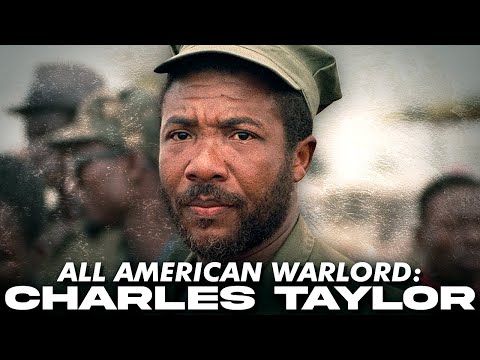
Charles Taylor, the 22nd President of Liberia, served from 1997 to 2003. His presidency was marked by controversy, including allegations of war crimes and human rights abuses. Taylor's rise to power began as a rebel leader in the First Liberian Civil War, where he founded the National Patriotic Front of Liberia (NPFL). He was later elected president in 1997, but his tenure was cut short when he was forced into exile in 2003. Taylor was subsequently arrested, tried, and convicted by the Special Court for Sierra Leone for his role in the Sierra Leone Civil War, and is currently serving a 50-year prison sentence. With a vibe score of 6, Taylor's legacy is a complex and contentious issue, reflecting the tumultuous history of Liberia and the region. The controversy surrounding his presidency and subsequent trial has sparked intense debate, with some viewing him as a symbol of resistance against oppression, while others see him as a ruthless leader responsible for immense human suffering.
🏛️ Introduction to Charles Taylor
Charles Taylor, the former President of Liberia, has a complex and controversial legacy. Born on January 5, 1948, in Arthington, Liberia, Taylor's life has been marked by both significant achievements and egregious atrocities. As a young man, Taylor was influenced by the Liberian Civil War and the country's struggle for independence. He later attended Bentley University in the United States, where he studied economics. Taylor's early life and education laid the foundation for his future in politics, including his involvement with the National Patriotic Front of Liberia.
📚 Early Life and Education
Taylor's rise to power began in the late 1980s, when he became the leader of the National Patriotic Front of Liberia. The group's primary goal was to overthrow the government of President Samuel Doe, who had been in power since 1980. Taylor's charisma and strategic thinking helped him gain support from various factions, including the United Nations. However, his methods were often violent and brutal, leading to the deaths of thousands of innocent civilians. As the conflict escalated, Taylor's forces clashed with those of the Independent National Patriotic Front of Liberia.
🚀 Rise to Power
The Liberian Civil War was a brutal and devastating conflict that lasted from 1989 to 2003. Taylor's forces, along with other factions, fought against the government and each other, resulting in the deaths of over 200,000 people. The war also led to the displacement of millions, with many seeking refuge in neighboring countries. The international community, including the United Nations and the African Union, played a significant role in attempting to broker peace and provide humanitarian aid. However, the conflict was further complicated by the involvement of other countries, such as Sierra Leone and Guinea.
💣 The Liberian Civil War
In 2003, the international community, led by the United Nations and the African Union, intervened in the conflict, leading to Taylor's exile in Nigeria. The Special Court for Sierra Leone was established to try those responsible for war crimes, including Taylor. In 2012, Taylor was convicted of war crimes and crimes against humanity, and sentenced to 50 years in prison. The trial was a significant milestone in the pursuit of justice for the victims of the Liberian Civil War. However, some argue that the trial was flawed, and that Taylor's conviction was a result of political pressure from the international community, including the United States and the European Union.
🕊️ International Intervention
Taylor's legacy is complex and multifaceted. On one hand, he is remembered as a charismatic leader who brought stability to Liberia after years of conflict. On the other hand, he is reviled for his role in the Liberian Civil War and his conviction for war crimes. The United Nations and other international organizations have acknowledged the challenges of rebuilding Liberia after the war, and have provided significant support to the country. However, some argue that the international community has not done enough to address the root causes of the conflict, including the role of diamonds and other natural resources in fueling the war.
👮 Trial and Conviction
The trial of Charles Taylor was a significant event in the pursuit of justice for the victims of the Liberian Civil War. The Special Court for Sierra Leone was established to try those responsible for war crimes, and Taylor's conviction was a major milestone. However, the trial was not without controversy, with some arguing that the court lacked jurisdiction and that the trial was unfair. The International Criminal Court has also played a significant role in the pursuit of justice for war crimes, and has indicted several high-profile individuals, including Slobodan Milosevic and Radovan Karadzic.
💭 Legacy and Impact
Taylor's impact on Liberia and the region has been significant. The Liberian Civil War had a devastating impact on the country, leading to the deaths of over 200,000 people and the displacement of millions. The war also had a significant impact on the regional economy, with many countries in the region suffering from the effects of the conflict. The Economic Community of West African States has played a significant role in promoting regional stability and economic development, and has provided support to Liberia and other countries in the region.
🌎 International Relations
The international community has played a significant role in Liberia's development, with many countries providing aid and support to the country. The United Nations has been involved in Liberia since the 1990s, and has provided significant support to the country, including peacekeeping troops and humanitarian aid. The United States has also been a significant player in Liberia, providing aid and support to the country. However, some argue that the international community has not done enough to address the root causes of the conflict, including the role of corruption and poverty.
📰 Media Coverage
The media has played a significant role in covering the Liberian Civil War and Taylor's trial. Many journalists risked their lives to report on the conflict, and their coverage helped to raise awareness about the situation in Liberia. The BBC and other international news organizations provided extensive coverage of the war and its aftermath, including the trial of Charles Taylor. However, some argue that the media has not done enough to provide context and analysis of the conflict, and that the coverage has been too focused on the sensational aspects of the war.
👥 Public Opinion
Public opinion about Taylor is divided, with some viewing him as a hero and others as a villain. In Liberia, Taylor is still remembered as a charismatic leader who brought stability to the country after years of conflict. However, many others view him as a war criminal who was responsible for the deaths of thousands of innocent people. The Liberian people have been affected by the conflict in many ways, including the loss of loved ones, displacement, and trauma. However, some argue that the international community has not done enough to support the Liberian people, and that more needs to be done to address the root causes of the conflict.
🔍 Analysis and Criticism
Analysis and criticism of Taylor's legacy is complex and multifaceted. Some argue that he was a necessary evil, who brought stability to Liberia after years of conflict. Others argue that he was a war criminal, who was responsible for the deaths of thousands of innocent people. The international community has been criticized for its role in the conflict, including the provision of aid and support to Taylor's government. However, some argue that the international community has not done enough to address the root causes of the conflict, including the role of corruption and poverty.
Key Facts
- Year
- 1948
- Origin
- Liberia
- Category
- Politics
- Type
- Person
Frequently Asked Questions
What was the Liberian Civil War?
The Liberian Civil War was a brutal and devastating conflict that lasted from 1989 to 2003. The war was fought between the government of President Samuel Doe and various rebel groups, including the National Patriotic Front of Liberia, led by Charles Taylor. The war resulted in the deaths of over 200,000 people and the displacement of millions. The conflict was further complicated by the involvement of other countries, such as Sierra Leone and Guinea. The United Nations and other international organizations played a significant role in attempting to broker peace and provide humanitarian aid.
Who was Charles Taylor?
Charles Taylor was the former President of Liberia, who served from 1997 to 2003. He was a charismatic leader who rose to power during the Liberian Civil War, and was known for his strategic thinking and brutal methods. Taylor was convicted of war crimes and crimes against humanity in 2012, and was sentenced to 50 years in prison. His legacy is complex and multifaceted, with some viewing him as a hero and others as a villain. The United States and other countries have played a significant role in shaping Taylor's legacy, including the provision of aid and support to his government.
What was the Special Court for Sierra Leone?
The Special Court for Sierra Leone was a court established to try those responsible for war crimes and crimes against humanity during the Sierra Leone Civil War. The court was established in 2002, and was mandated to try those who bore the greatest responsibility for the atrocities committed during the war. The court tried several high-profile individuals, including Charles Taylor, who was convicted of war crimes and crimes against humanity in 2012. The International Criminal Court has also played a significant role in the pursuit of justice for war crimes, and has indicted several high-profile individuals, including Slobodan Milosevic and Radovan Karadzic.
What is the current situation in Liberia?
The current situation in Liberia is complex and challenging. The country is still recovering from the devastating effects of the Liberian Civil War, and many people are struggling to rebuild their lives. The government of Liberia has made significant progress in recent years, including the establishment of a new constitution and the holding of democratic elections. However, the country still faces many challenges, including poverty, corruption, and a lack of infrastructure. The United Nations and other international organizations continue to provide support to Liberia, including aid and technical assistance. The Economic Community of West African States has also played a significant role in promoting regional stability and economic development.
What is the significance of the Liberian Civil War?
The Liberian Civil War was a significant event in West African history, and had a profound impact on the region. The war resulted in the deaths of over 200,000 people and the displacement of millions, and had a devastating impact on the economy and infrastructure of Liberia. The war also had a significant impact on the regional economy, with many countries in the region suffering from the effects of the conflict. The United Nations and other international organizations played a significant role in attempting to broker peace and provide humanitarian aid. The war also led to the establishment of the Special Court for Sierra Leone, which was mandated to try those responsible for war crimes and crimes against humanity.
How has the international community responded to the Liberian Civil War?
The international community has responded to the Liberian Civil War in several ways. The United Nations has played a significant role in attempting to broker peace and provide humanitarian aid, and has established several peacekeeping missions in the country. The United States and other countries have also provided significant aid and support to Liberia, including military assistance and economic aid. The African Union has also played a significant role in promoting regional stability and economic development, and has provided support to Liberia and other countries in the region. However, some argue that the international community has not done enough to address the root causes of the conflict, including the role of corruption and poverty.
What is the legacy of Charles Taylor?
The legacy of Charles Taylor is complex and multifaceted. Some view him as a hero who brought stability to Liberia after years of conflict, while others view him as a war criminal who was responsible for the deaths of thousands of innocent people. Taylor's conviction for war crimes and crimes against humanity in 2012 was a significant milestone in the pursuit of justice for the victims of the Liberian Civil War. However, some argue that the trial was flawed, and that Taylor's conviction was a result of political pressure from the international community. The United Nations and other international organizations have acknowledged the challenges of rebuilding Liberia after the war, and have provided significant support to the country.